
How BoltRPC Request Units Work: Method Weights, Cost Calculation, Optimization
How BoltRPC calculates RPC costs: fixed method weights, full RU table, worked examples per plan, tips to reduce usage. Transparent pricing, no surprises.
Solana Beta is live. Try BoltRPC Solana endpoints free - start your trial now.
Insights, guides, and updates on blockchain infrastructure, RPC performance and building better dApps.
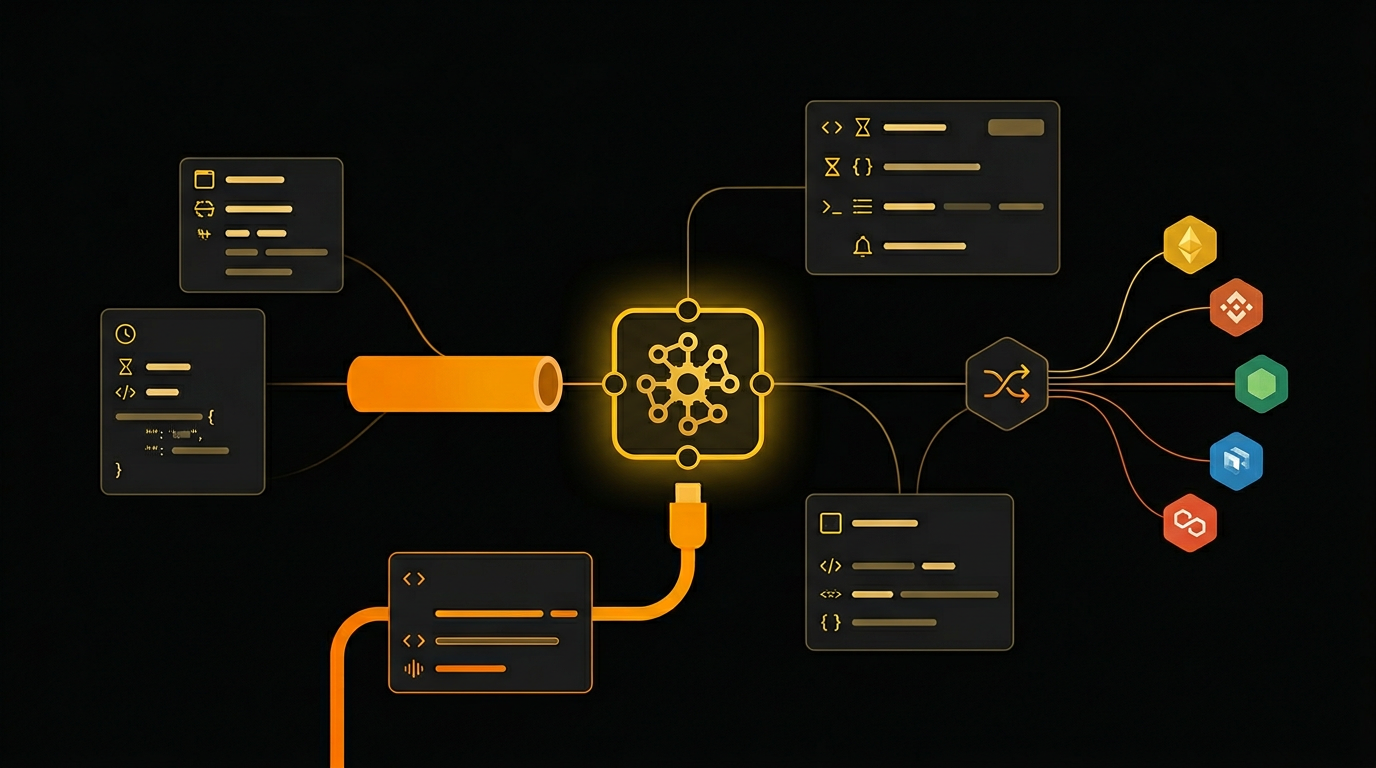
How BoltRPC calculates RPC costs: fixed method weights, full RU table, worked examples per plan, tips to reduce usage. Transparent pricing, no surprises.
Learn how to implement RPC load balancing for blockchain applications in 2026. Covers round-robin, latency-based routing, method-based routing, failover strategies, and when to use provider-level vs application-level load balancing.
How compute unit pricing works in blockchain RPC — and why eth_getLogs costs more than eth_getBalance on most providers. Plus how fixed request unit pricing changes the math for DeFi teams.
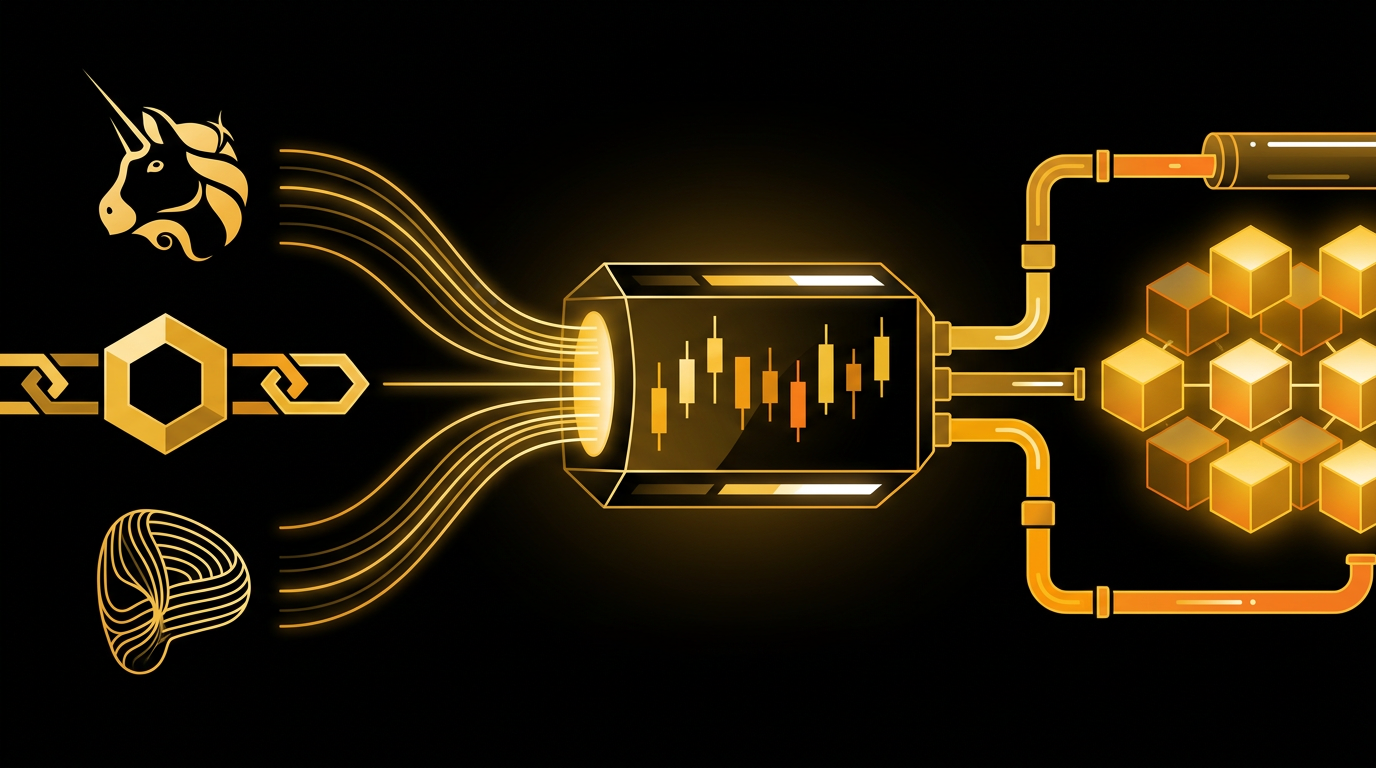
Read real-time token prices from Uniswap, Chainlink and Curve directly via RPC using eth_call. Includes caching strategy, multi-source aggregation and production patterns.
Read ERC-20 token balances, allowances, transfer history, and approvals directly via RPC using ethers.js. Covers Multicall3 batching, event indexing, and production patterns.
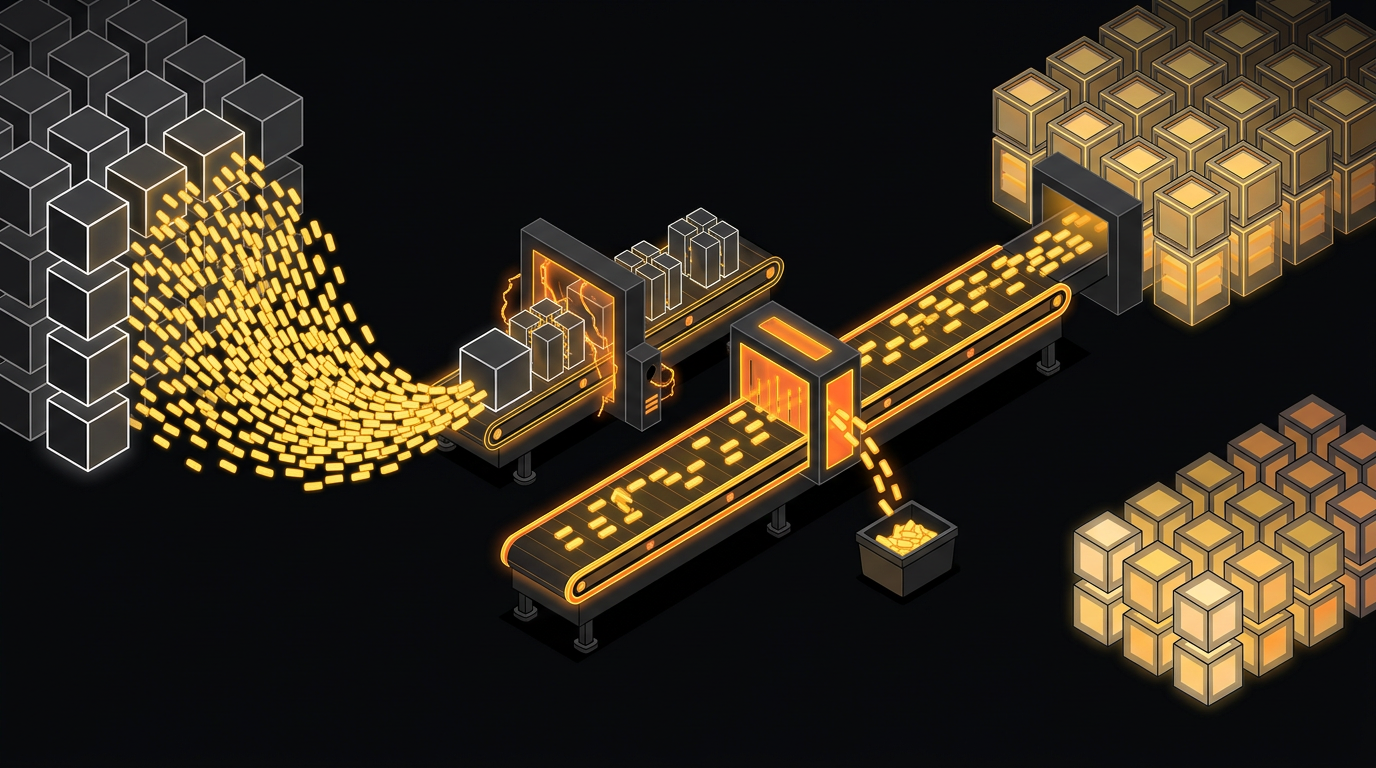
How to build a reliable, production-grade eth_getLogs pipeline. Covers chunking, deduplication, reorg handling, retry logic and storage patterns for indexing blockchain events at scale.
What RPC infrastructure MEV searchers actually need: latency requirements, mempool access, Flashbots endpoint configuration, WebSocket patterns and provider selection criteria.
Build a production-grade smart contract event monitor using ethers.js WebSocket subscriptions. Covers reconnection logic, missed event recovery, multi-contract monitoring and alerting.
Configure viem and wagmi to use a custom RPC endpoint. Covers createPublicClient, createWalletClient, transport setup, WebSocket support, and multi-chain configuration.
Read NFT ownership, metadata, and transfer history directly via RPC using ethers.js. Covers ERC-721 and ERC-1155 patterns, tokenURI, batch ownership checks, and event indexing.
Compare web3.js and ethers.js for Ethereum development. Covers bundle size, API design, TypeScript support, ethers.js v6 changes, and which to choose for your project.
How to protect your blockchain RPC API keys in production. Covers environment variables, backend proxies, IP whitelisting, key rotation and what happens when a key is compromised.
The Graph and direct RPC endpoints solve different problems. This guide explains when to use each, when to use both, and how to decide based on your application's actual data requirements.
Choosing the wrong RPC provider can break your dApp. Here are the 7 factors that actually matter when evaluating blockchain RPC infrastructure.
Building on more than one chain? Here's how to manage multi-chain RPC endpoints, avoid common pitfalls, and keep your infrastructure simple as you scale.
How to dramatically reduce RPC call volume in DeFi applications using Multicall3, response caching, batch requests and WebSocket subscriptions instead of polling.
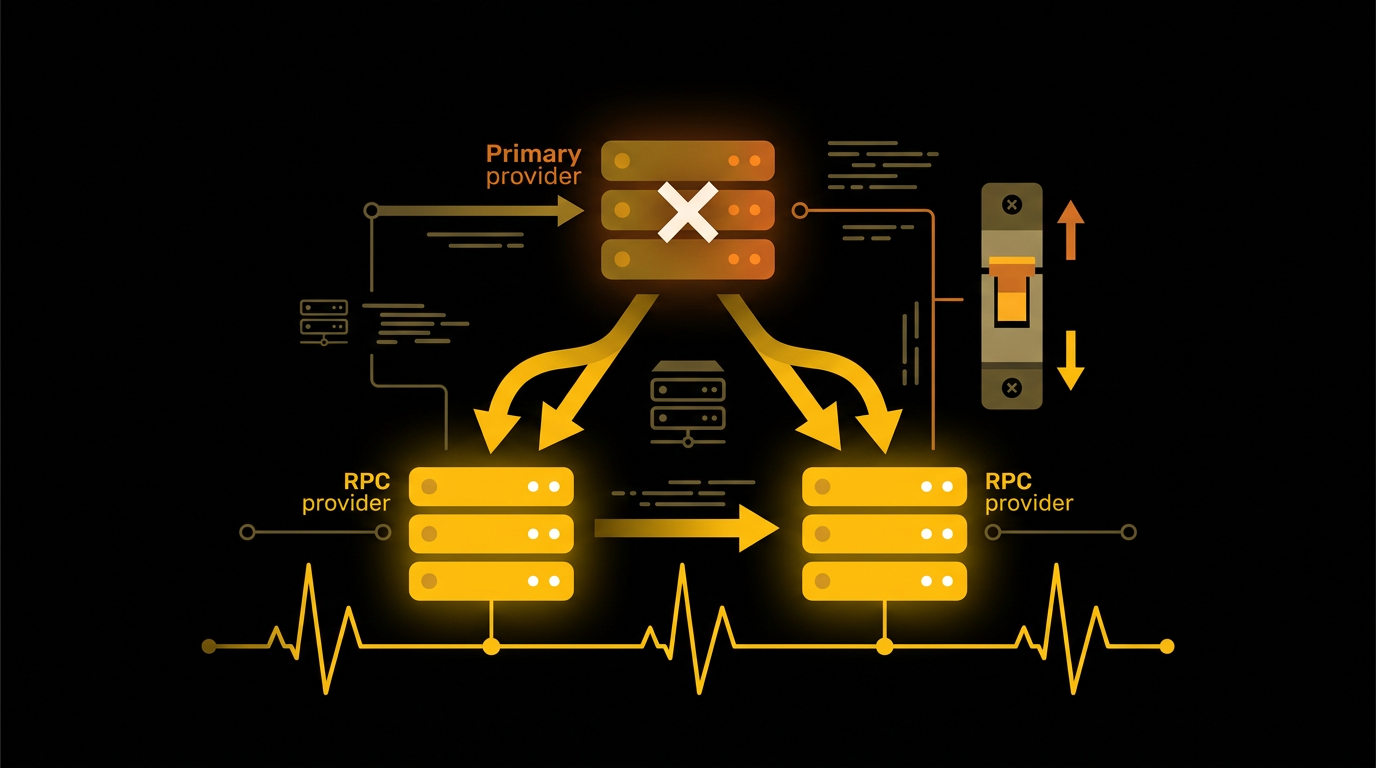
How to implement RPC failover for your dApp using ethers.js FallbackProvider, health checks, circuit breakers and multi-provider strategies. Prevent downtime before it happens.
Real cost breakdown: running your own Ethereum node vs using an RPC provider. Hardware, maintenance, syncing time, and when each makes sense. Updated 2026.
WebSocket or HTTP for your RPC calls? Learn when to use each for DeFi, trading bots, and wallet apps — with real code examples. Blockchain-first guide.
gRPC vs JSON-RPC compared for blockchain developers. How each works, performance differences, when to use each, and why every blockchain network runs on JSON-RPC, not gRPC.
RPC vs REST explained for developers. How each works, when to use each, side-by-side code examples, and why every blockchain on earth runs on RPC, not REST.
Complete Enjin RPC guide covering Matrix Chain and Relay Chain endpoints, Polkadot.js examples, Substrate methods, NFT ownership queries, gaming patterns, production issues.
Connect to the Ethereum Hoodi Beacon Chain REST API. Covers validator lifecycle testing, liquid staking, restaking workflows, curl and JavaScript examples for the Holesky replacement testnet.
Connect to the Ethereum Sepolia Beacon Chain REST API. Covers testnet withdrawal testing, validator queries, finality checkpoints, curl and JavaScript examples.
Connect to Ethereum Sepolia testnet with ethers.js, viem, Web3.py, curl. Covers chain ID, endpoint setup, smart contract deployment, CI/CD pipelines, common issues.
A technical guide to Arbitrum RPC endpoints for developers in 2026. Covers HTTP vs WebSocket, Arbitrum-specific methods, ethers.js setup, common issues, how to choose a reliable provider.
Complete ApeChain RPC guide covering public endpoints, ethers.js, Web3.py, curl examples, AnyTrust architecture, NFT mint traffic, production patterns.
Complete Moonbeam RPC guide covering public endpoints, ethers.js, Web3.py, curl examples, XCM cross-chain methods, Moonbeam-specific API, production patterns.
Complete Moonriver RPC guide covering public endpoints, ethers.js, Web3.py, curl examples, Moonbeam canary network deployment patterns, production issues.
A complete 2026 developer guide to Polygon RPC endpoints. Learn how to connect with ethers.js and Web3.py, use key JSON-RPC methods, fix common issues, choose a reliable provider.
A complete 2026 developer guide to Solana RPC endpoints. Learn how to connect with @solana/web3.js, use core methods, handle commitment levels, and build reliably on Solana.
Complete Sonic RPC guide covering public endpoints, ethers.js, Web3.py, curl examples, fast-block polling strategy, WebSocket subscriptions, production issues.
A clear, practical guide to smart contracts for developers in 2026: how they work, how they're written, how you interact with them via RPC, and what their real limitations are.
Complete X Layer RPC guide covering public endpoints, ethers.js, Web3.py, curl examples, OKX zkEVM architecture, ZK proof finality, production patterns.
A technical guide to BNB Chain RPC endpoints for developers. Covers key JSON-RPC methods, ethers.js setup, Web3.py setup, PoSA architecture, common production issues, provider selection.
Connect to the Ethereum Beacon Chain REST API in 2026. Practical guide covering key endpoints, curl examples, JavaScript fetch, Python requests plus common issues for staking and validator use cases.
A complete 2026 developer guide to Ethereum RPC endpoints. Learn how to connect with ethers.js, Web3.py, and curl, use key JSON-RPC methods, handle EIP-1559 fees, finality tags, fix common production issues.
Learn how to connect to Base RPC, use OP Stack methods, handle production issues, choose the right provider for your dApp or backend.
A technical guide to Avalanche RPC endpoints for developers in 2026. Covers C-Chain vs X-Chain vs P-Chain, key JSON-RPC methods, ethers.js and Web3.py setup, Snowman consensus behavior, provider selection.
Connect to Ethereum Hoodi testnet with ethers.js, Web3.py, curl. Covers RPC methods, faucet links, smart contract testing workflow, common issues.
A technical guide to Linea RPC endpoints for developers in 2026. Covers Linea's ZK-EVM architecture, key JSON-RPC methods, ethers.js and Web3.py setup, public endpoints, common production issues, plus how to choose a reliable provider.
A technical guide to Optimism RPC endpoints for developers in 2026. Covers OP Stack methods, HTTP vs WebSocket, ethers.js setup, L1/L2 messaging, Bedrock finality, common production issues.
Complete guide to Polygon Amoy testnet RPC: endpoints, chain ID, ethers.js, Web3.py, curl, contract deployment, faucets, common issues.
Connect to Scroll RPC endpoints with ethers.js, Web3.py, curl. Covers ZK-EVM type 1 architecture, finality stages, L1 data fees, common production issues.
A technical guide to zkSync Era RPC endpoints for developers in 2026. Covers ZK rollup mechanics, zks_ methods, ethers.js and Web3.py setup, account abstraction, Paymaster patterns, common issues, how to choose a provider.
A complete 2026 developer guide to Starknet RPC endpoints. Learn how to connect with starknet.js, use core starknet_ methods, handle native account abstraction, and avoid common mistakes for developers migrating from Ethereum.
What RPC infrastructure a production liquidation bot needs — latency, mempool monitoring, health factor scanning, Flashbots submission and failover patterns for DeFi protocols.
Connect web3.py to a custom RPC endpoint. Covers HTTP and WebSocket providers, contract reads, event filtering, async support, and production configuration patterns.
The Ethereum JSON-RPC methods you will actually use. Covers eth_call, eth_getLogs, eth_getBalance, eth_sendRawTransaction and more with real code examples.
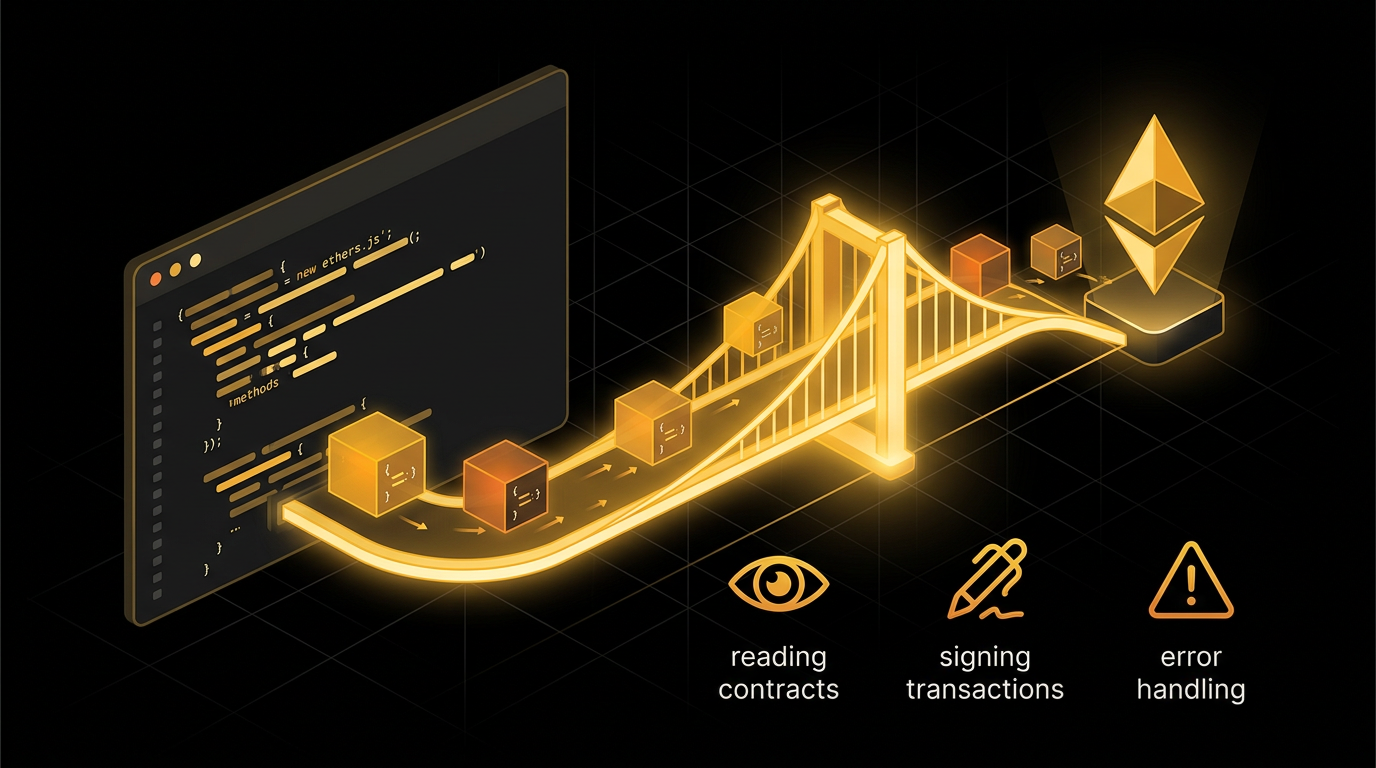
Step-by-step guide to connecting to Ethereum using ethers.js v6. Covers HTTP provider, WebSocket provider, signing transactions, reading contracts and error handling.
Every RPC error your dApp will encounter and exactly how to handle each one. Covers ethers.js v6 error types, retry logic, transaction failure debugging and production patterns.
What is a blockchain node and how does your application connect to one? Developer-first guide covering node types, RPC connections, and when to self-host vs use a provider.
JSON-RPC explained for blockchain developers. How it works, real code examples, common Ethereum methods, error handling, and why every Web3 app depends on it.
Remote Procedure Call (RPC) explained: how it works, real examples, RPC vs REST, and why blockchain developers need reliable RPC infrastructure. Read the guide.